


Experience of Being
What is the context of all changing experience?
Across contemplative traditions, experienced practitioners describe being grounded in an ever-present stable background and context of experience within which thoughts, emotions, perceptions, and impulses arise. This research investigates the nature and qualities of what is here called the Experience of Being.
Research snapshot
How the inquiry is conducted
Research approach
Phenomenological interviews · Comparative thematic analysis · Cross-tradition comparison · Conceptual analysis
Current research material
Comparative interviews with 150+ contemplative teachers and practitioners · Postdoctoral research · Discussions with leading scholars · Ongoing publications

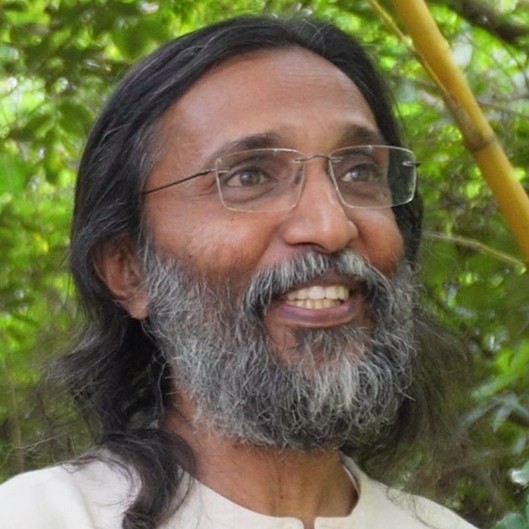

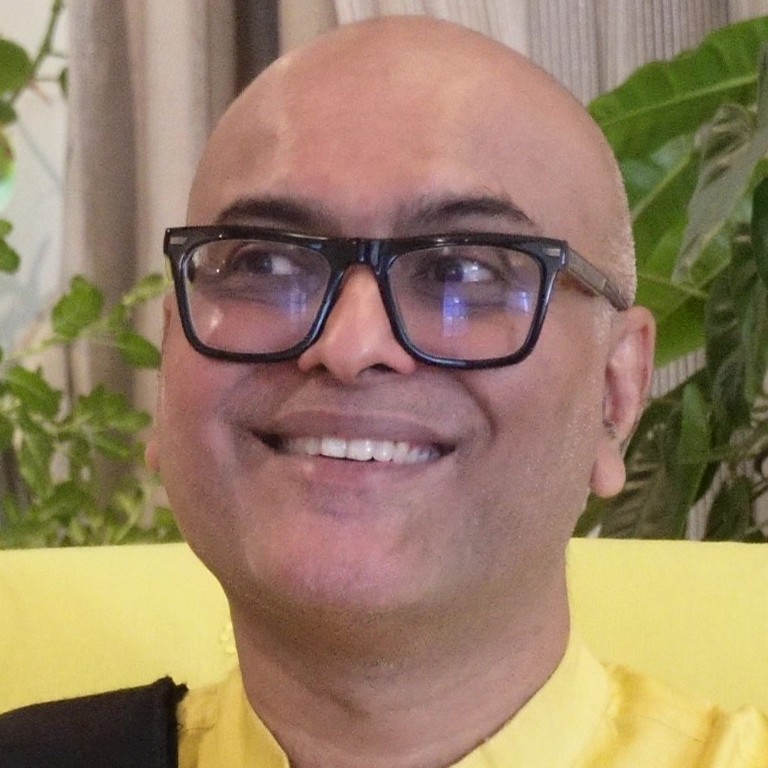


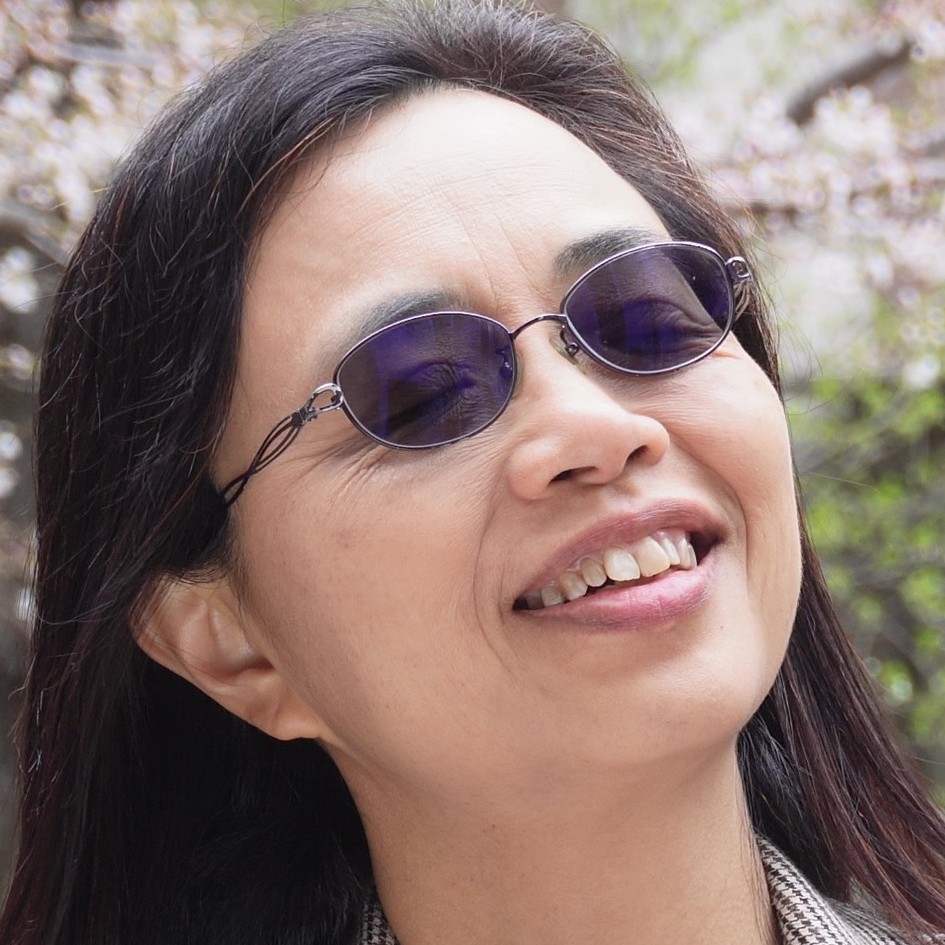

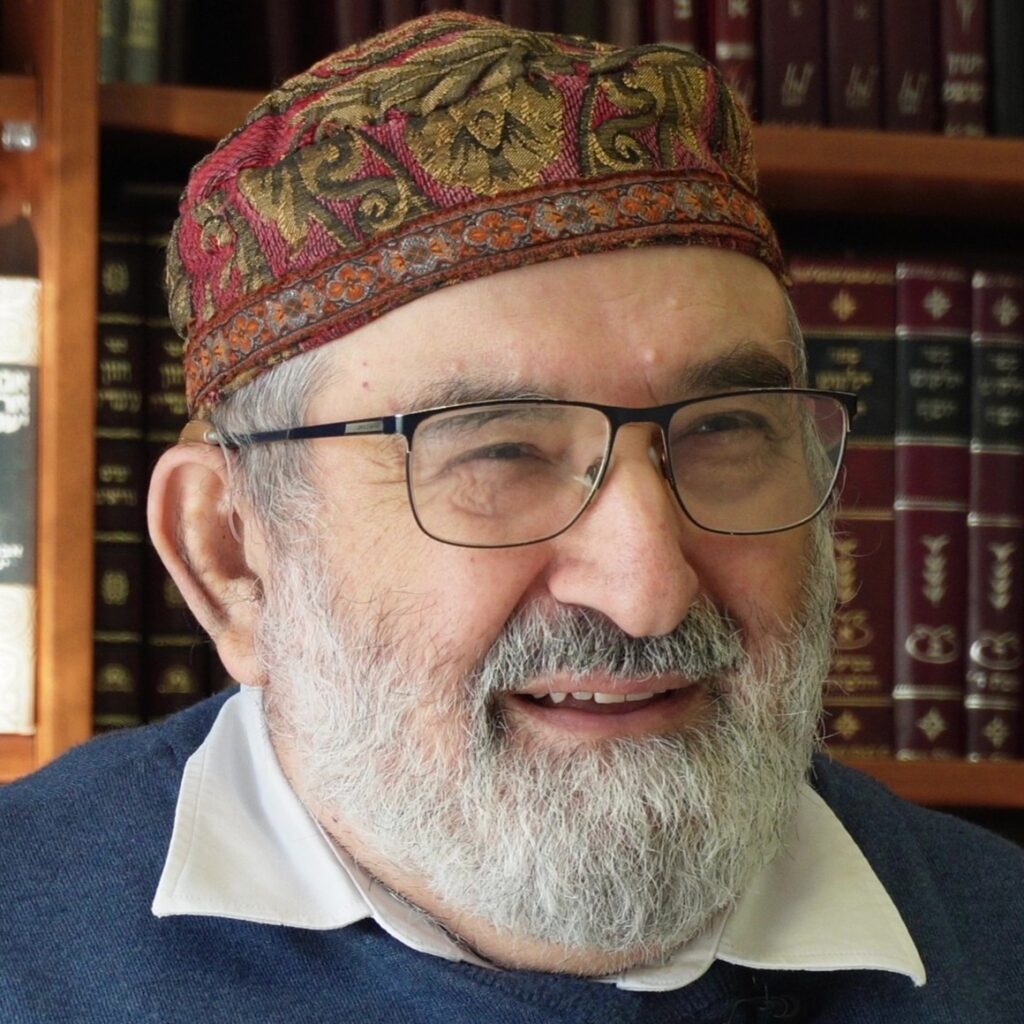
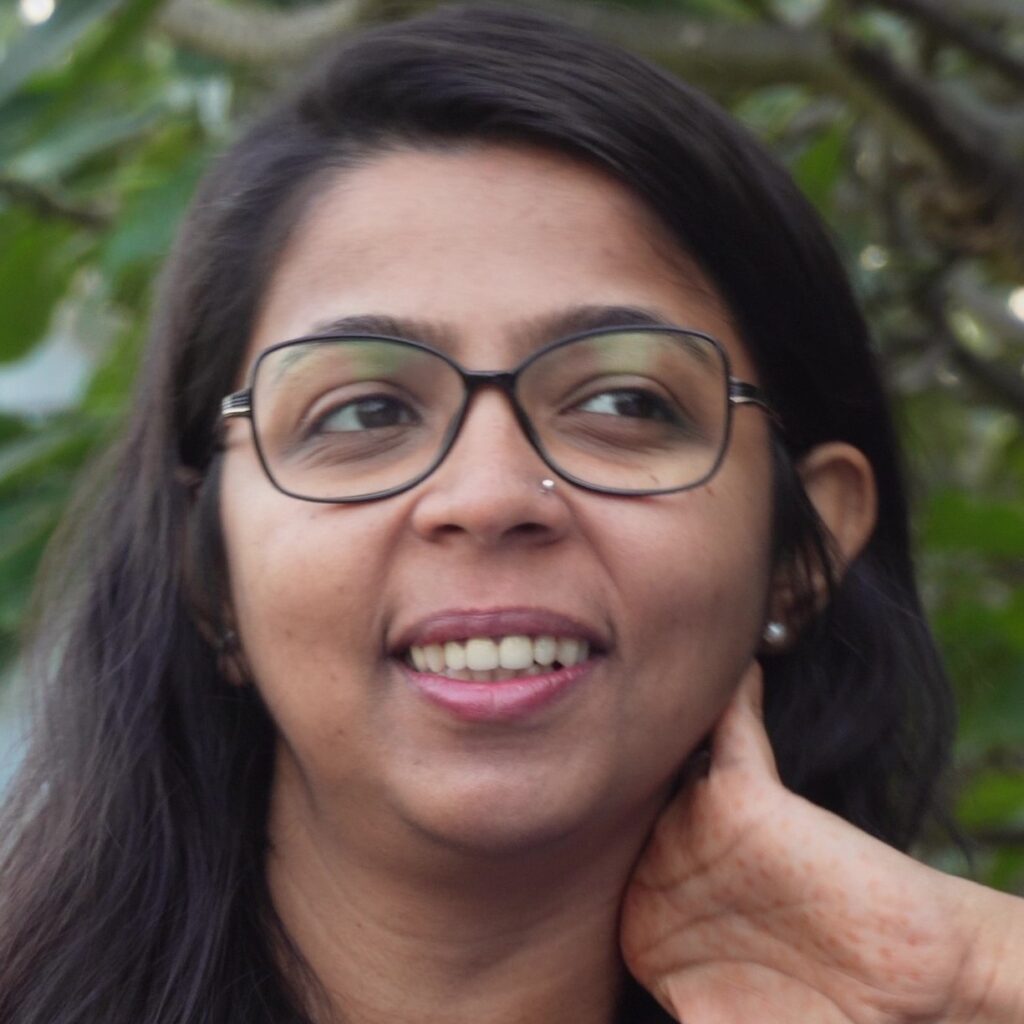
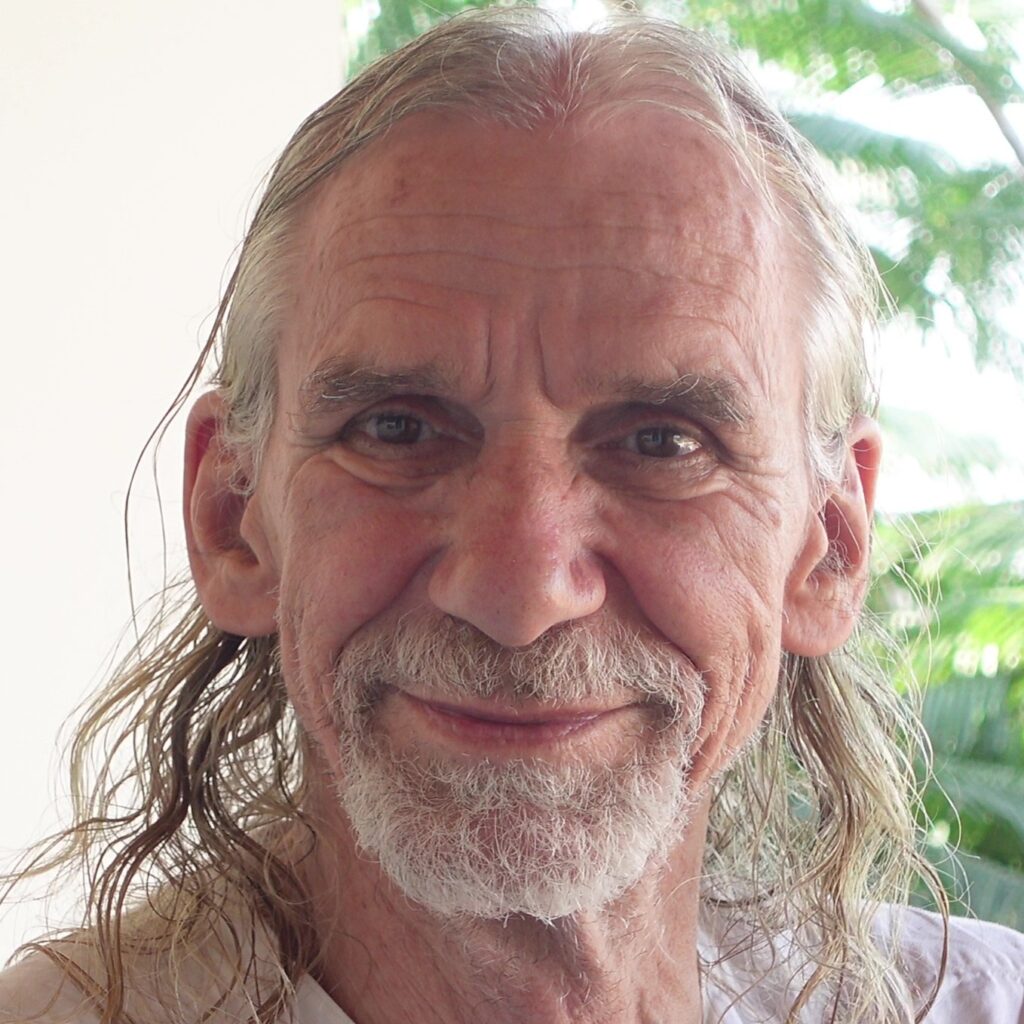
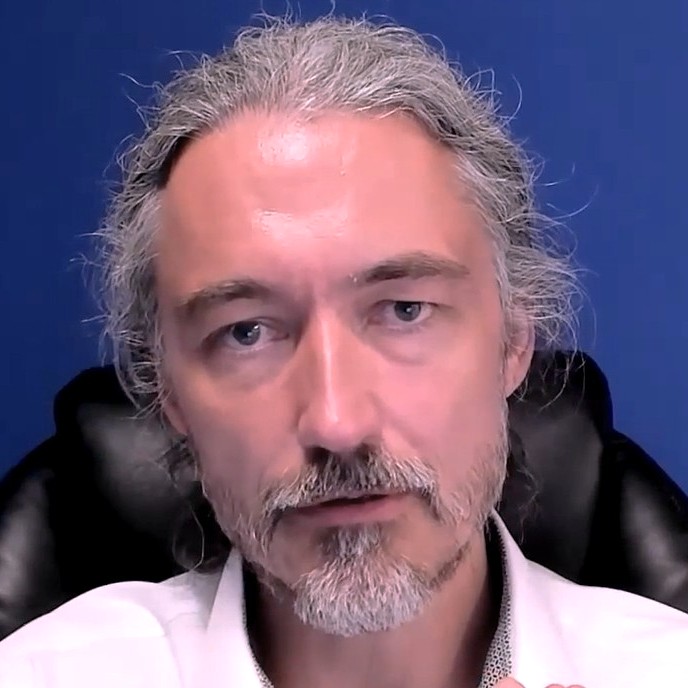


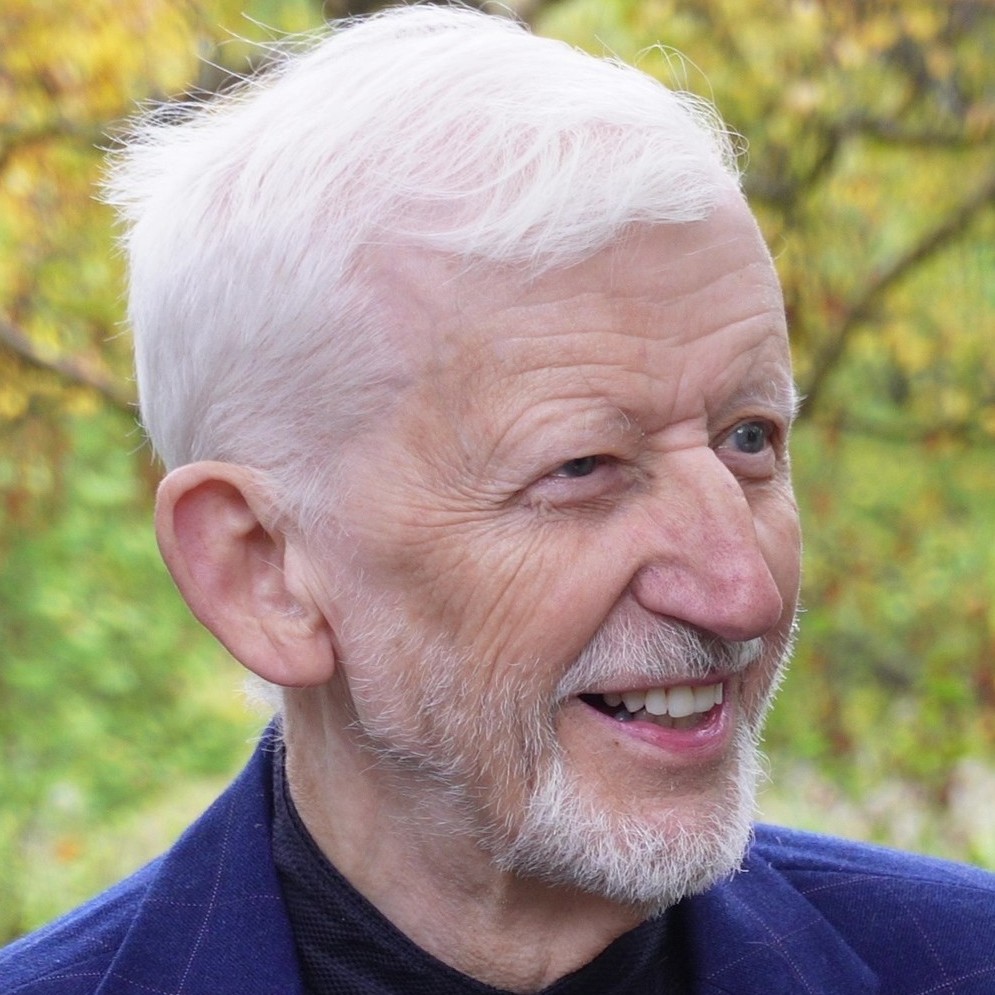
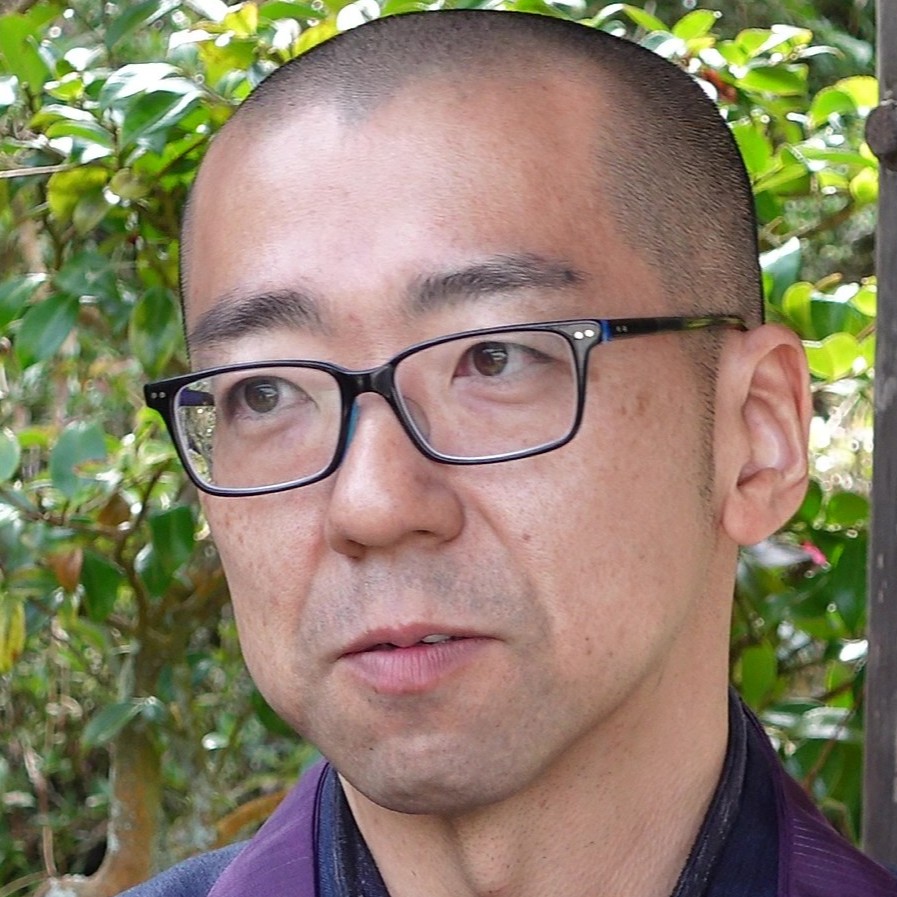
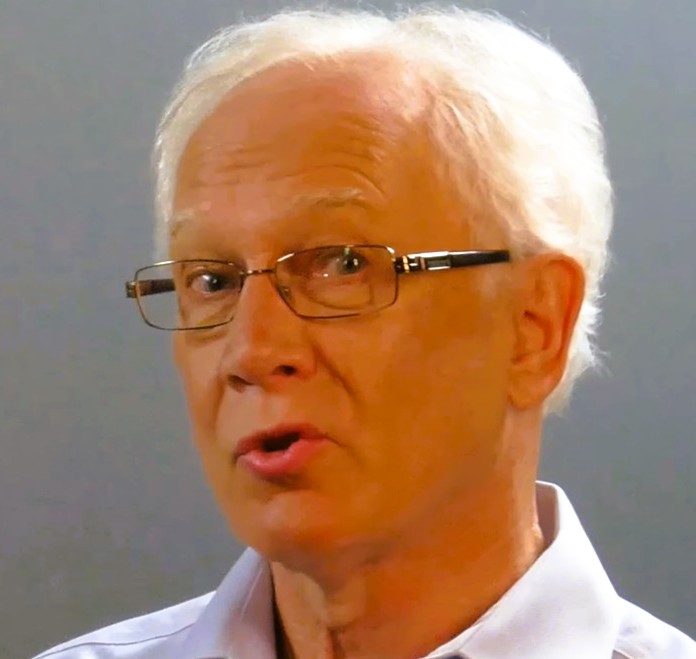
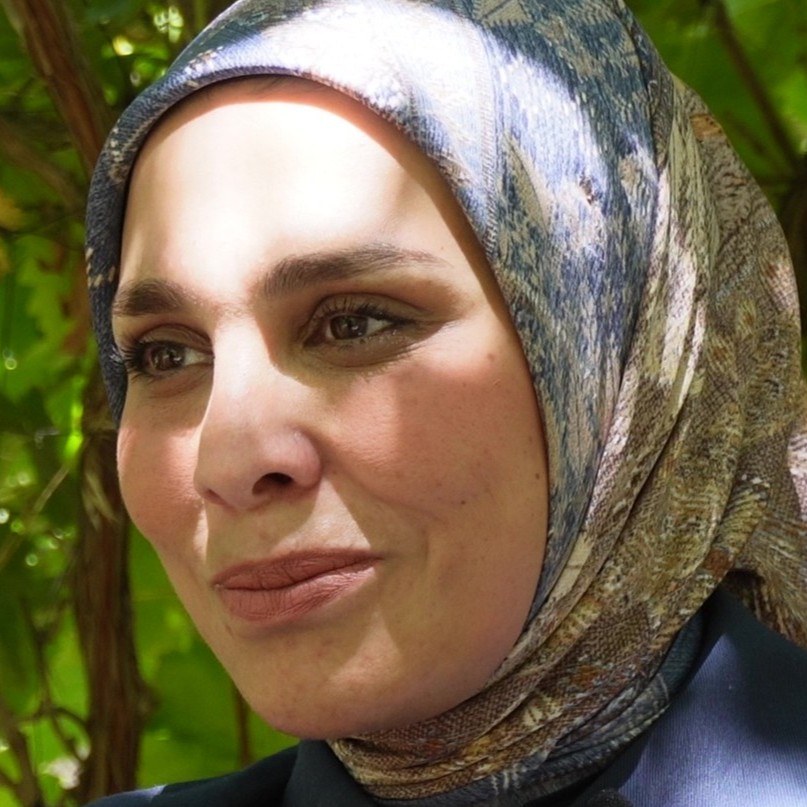
This line of inquiry draws on a growing archive of interviews with contemplative teachers and practitioners.
Why this question matters
Bringing forth the background
Most psychological and neuroscientific research investigates the contents of “foreground” experience—thoughts, emotions, perceptions, and impulses. Contemplative traditions, on the other hand, often point to the ever-present “background” or context within which these experiences arise. This line of research asks how this background is experienced and described across cultures and contemplative traditions.
In their own words
Voices from the archive
How do contemplative teachers and practitioners describe the ever-present context of experience in their own words? Selected quotations and interview clips offer different ways of describing this dimension of experience, allowing patterns and differences to be considered across individuals, traditions, and cultures.
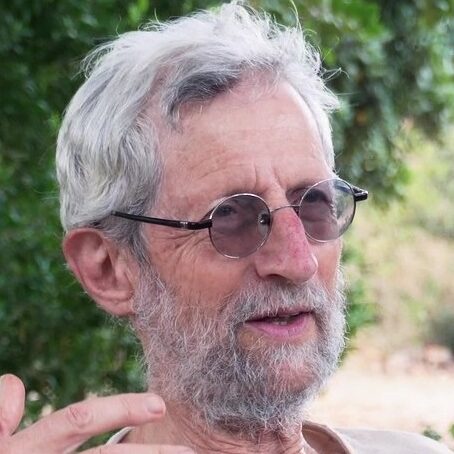
Stephen Fulder
Buddhism • Israel
Experience of Being Interview
Knowing • Love • Selfhood • Motivation • Responsibility

Yuki Imoto
Shinto • Japan
Experience of Being Interview
Experience • Knowing • Love • Selfhood • Intentionality • Relationality • Responsibility
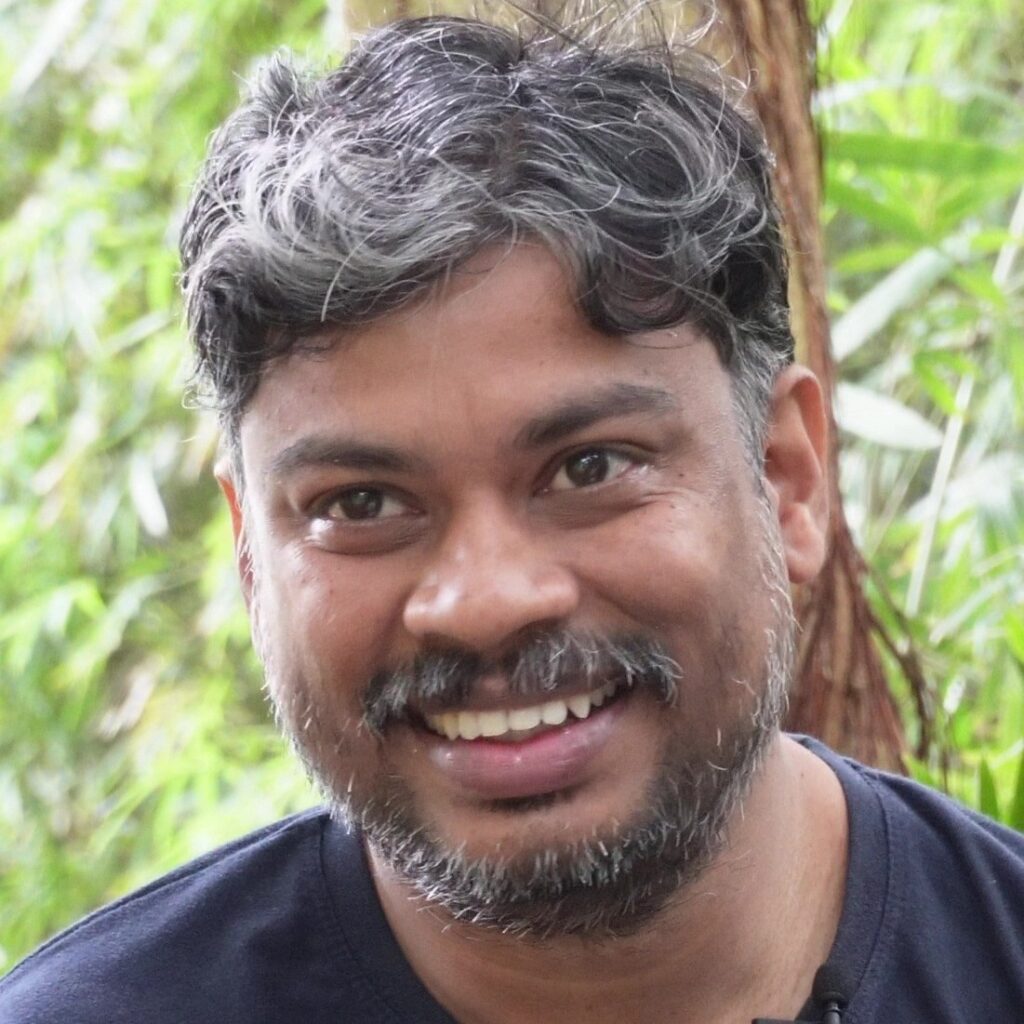
Naveen Vasudevan
Integral Yoga • India
Experience of Being Interview
Experience • Knowing • Selfhood • Intentionality • Meaning • Relationality • Responsibility
The Interview Method
One interview protocol. Many unique conversations.
Every participant responds to the same sequence of reflection statements, drawing on their own lived experience and expressing it in their own words. This shared protocol makes it possible to compare how different people articulate lived spiritual experience, revealing both recurring patterns and distinctive expressions across individuals, traditions and cultures.
On permissions. Dialogues are published only with the interviewee’s permission. Publication does not imply endorsement.
Publications
Published & emerging work
Featured publication
Postdoctoral Research — Recognizing the Ever-Present Background Experience of Being: A cross-cultural/tradition study of awakening
A phenomenological investigation into the ever-present background of experience, drawing on comparative interviews across contemplative traditions.
Related publications
- Freimann, A. (2026). Bringing Forth the Background: Living Transcendence as Abidance in the Experience of Being. Journal of Humanistic Psychology.
Open research questions
- How is the ever-present background of experience recognized?
- What are the similarities and differences in how different contemplative traditions describe and interpret it?
Research notes & conversations
Thinking in progress
Ongoing reflections, essays, and video commentaries exploring questions, findings, and emerging ideas within this line of inquiry — and inviting further reflection and discussion.
Diving Below the Surface
Urban Kordeš, a professor of first-person research at the University of Ljubljana, in conversation with Dr. Freimann about what happens as we go deeper and deeper into our experience.
Conversation • September 2026
Part of one inquiry
Continue the inquiry
Take the same inquiry into your own experience — or discover the other lines of inquiry.